Raksha Bandhan & Bhai Dooj Ceremonies by Pandit Neeraj Dixit ji
Book Pandit Neeraj Dixit ji for Raksha Bandhan & Bhai Dooj Ceremonies
Introduction to Raksha Bandhan & Bhai Dooj Ceremonies
Raksha Bandhan and Bhai Dooj are cherished Hindu festivals that celebrate the sacred bond between brothers and sisters. Raksha Bandhan involves sisters tying a protective thread (Rakhi) on their brother’s wrist, while Bhai Dooj is a day for brothers to bless their sisters and reaffirm their love and protection. Both festivals emphasize family bonding, love, and devotion. Performing these ceremonies under the guidance of a learned Pandit Ji ensures that all rituals are conducted according to Vedic traditions, bringing spiritual blessings and harmony to the family.
Why Perform Raksha Bandhan & Bhai Dooj Ceremonies?
To honor and strengthen the sacred bond between siblings.
To seek divine blessings for health, prosperity, and protection.
To observe traditional Vedic rituals in a spiritually auspicious manner.
To involve family and community in meaningful celebrations.
To preserve cultural heritage and instill values of love and devotion.
Rituals Performed in Raksha Bandhan & Bhai Dooj
Our experienced Pandit Ji conducts the ceremonies according to Vedic traditions, which include:
Ganesh Puja & Sankalp – Invoking Lord Ganesha to remove obstacles and ensure auspiciousness.
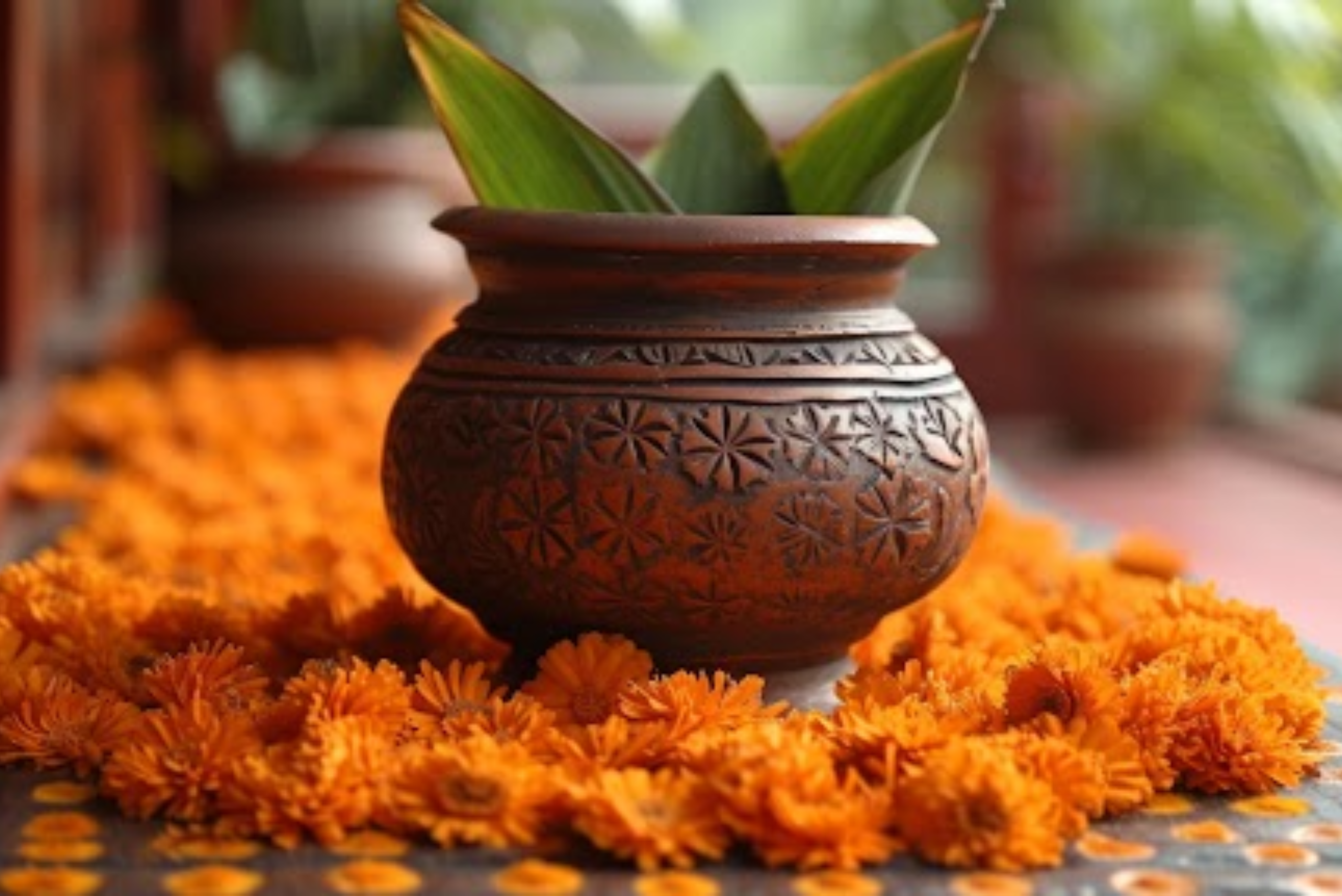
Kalash Sthapana & Grah Shanti – Setting up sacred vessels and performing prayers for peace and prosperity.
Raksha Bandhan Rituals – Sisters tie the Rakhi, and brothers offer gifts and blessings.
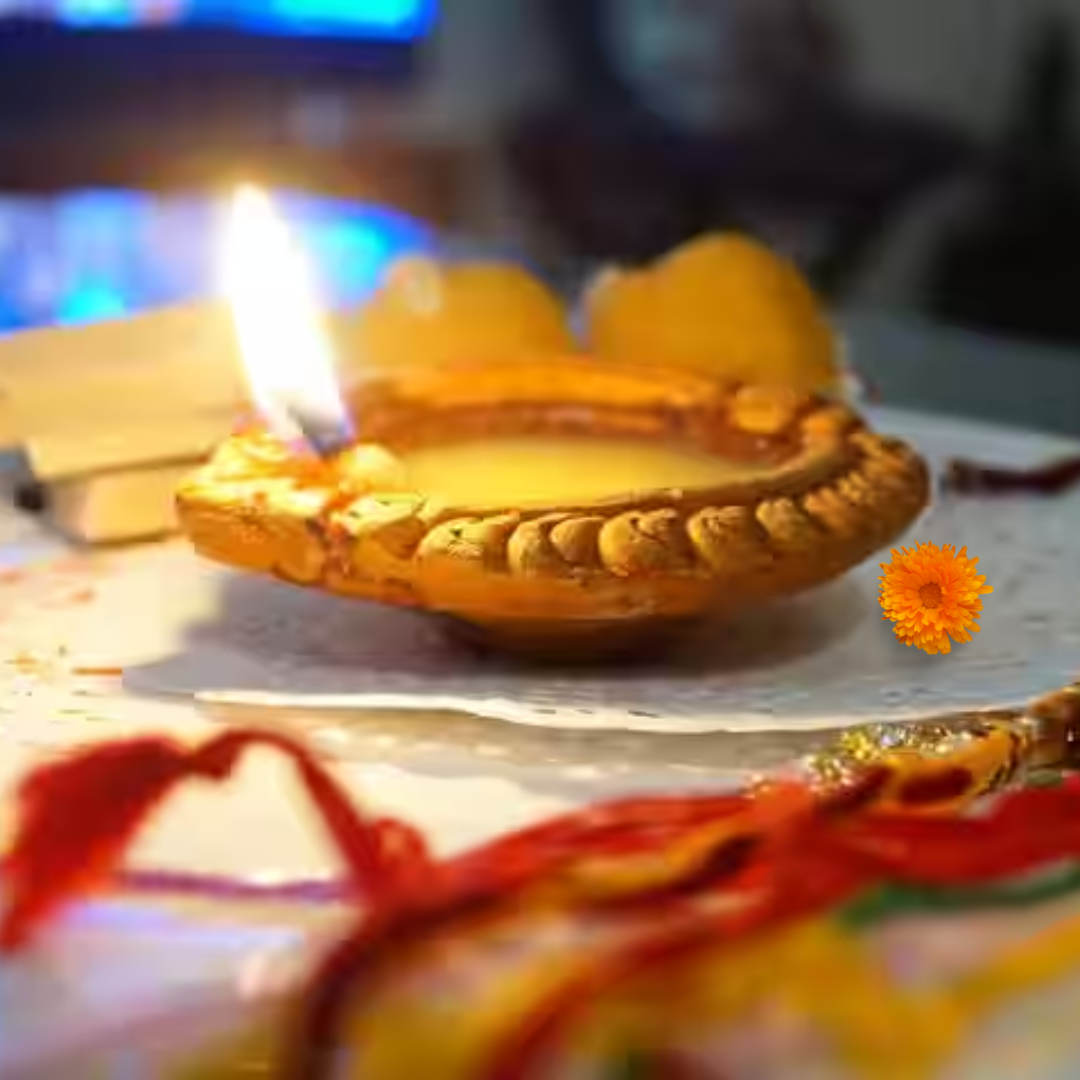
Bhai Dooj Puja – Brothers perform aarti for sisters, applying tilak and offering blessings for long life and happiness.
Recitation of Mantras & Family Blessings – Chanting Vedic mantras and seeking divine grace for the entire family.
Prasadam Distribution – Sharing sweets and offerings among family members.
Why Choose Our Pandit Ji?
Experienced in performing Raksha Bandhan and Bhai Dooj ceremonies according to Vedic traditions.
Conducts rituals in Sanskrit, Hindi, or regional language as per family custom.
Guidance in selecting auspicious muhurat for the ceremonies.