Makar Sankranti/Haldi Kumkum by Pandit Neeraj Dixit ji
Book Pandit Neeraj Dixit ji for Makar Sankranti/Haldi Kumkum

Introduction to Makar Sankranti/Haldi Kumkum
Makar Sankranti is a major Hindu festival marking the sun’s transition into the zodiac sign of Capricorn (Makara), symbolizing prosperity, abundance, and the harvest season. In many Indian households, it is celebrated along with Haldi Kumkum, a ritual where married women exchange turmeric and vermillion to wish each other well-being, happiness, and long life for their families. Performing these ceremonies under the guidance of a learned Pandit Ji ensures that all rituals are conducted according to Vedic traditions, bringing spiritual blessings, harmony, and joy to the family.
Why Perform Makar Sankranti / Haldi Kumkum Ceremonies?
To seek blessings for health, wealth, and prosperity.
To honor the sun and invoke positive energy into the home.
To perform Haldi Kumkum rituals that strengthen social bonds and family ties.
To preserve cultural and spiritual heritage through traditional Vedic practices.
To involve family and community in meaningful and auspicious celebrations.
Rituals Performed in Makar Sankranti / Haldi Kumkum
Our experienced Pandit Ji conducts the ceremonies according to Vedic traditions, which include:
Ganesh Puja & Sankalp – Invoking Lord Ganesha to remove obstacles and ensure auspiciousness.
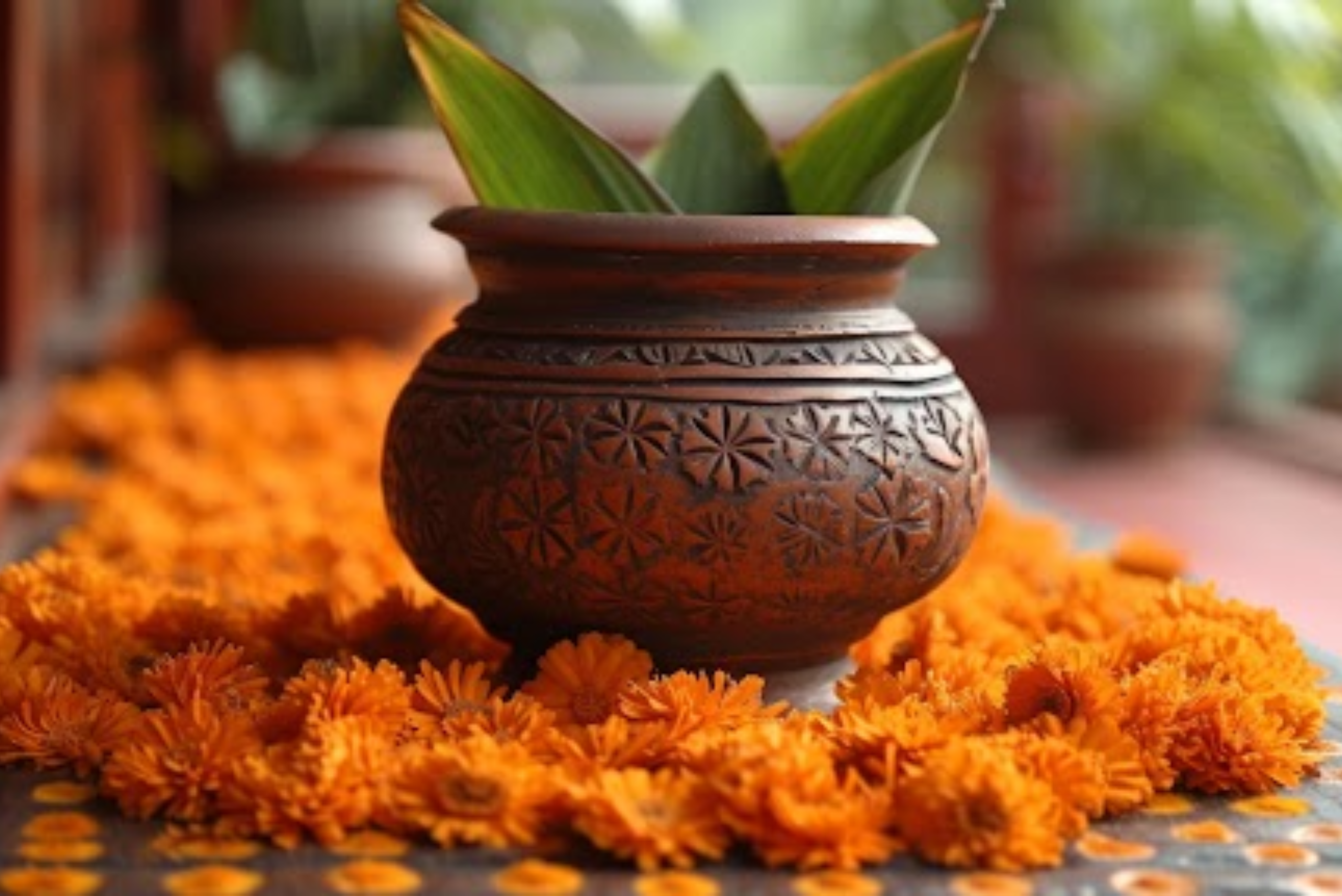
Kalash Sthapana & Grah Shanti – Setting up sacred vessels and performing prayers for peace and prosperity.
Surya Puja – Offering prayers to the Sun God for energy, health, and abundance.
Haldi Kumkum Exchange – Married women exchange turmeric and vermillion while offering blessings to one another.
Recitation of Mantras & Aarti – Chanting sacred Vedic mantras to invoke divine grace.
Distribution of Prasadam – Sharing sweets, tilgul, or offerings with family members.
Why Choose Our Pandit Ji?
Experienced in performing Makar Sankranti and Haldi Kumkum ceremonies according to Vedic traditions.
Conducts rituals in Sanskrit, Hindi, or regional language as per family custom.
Guidance in selecting auspicious muhurat for the ceremonies.